
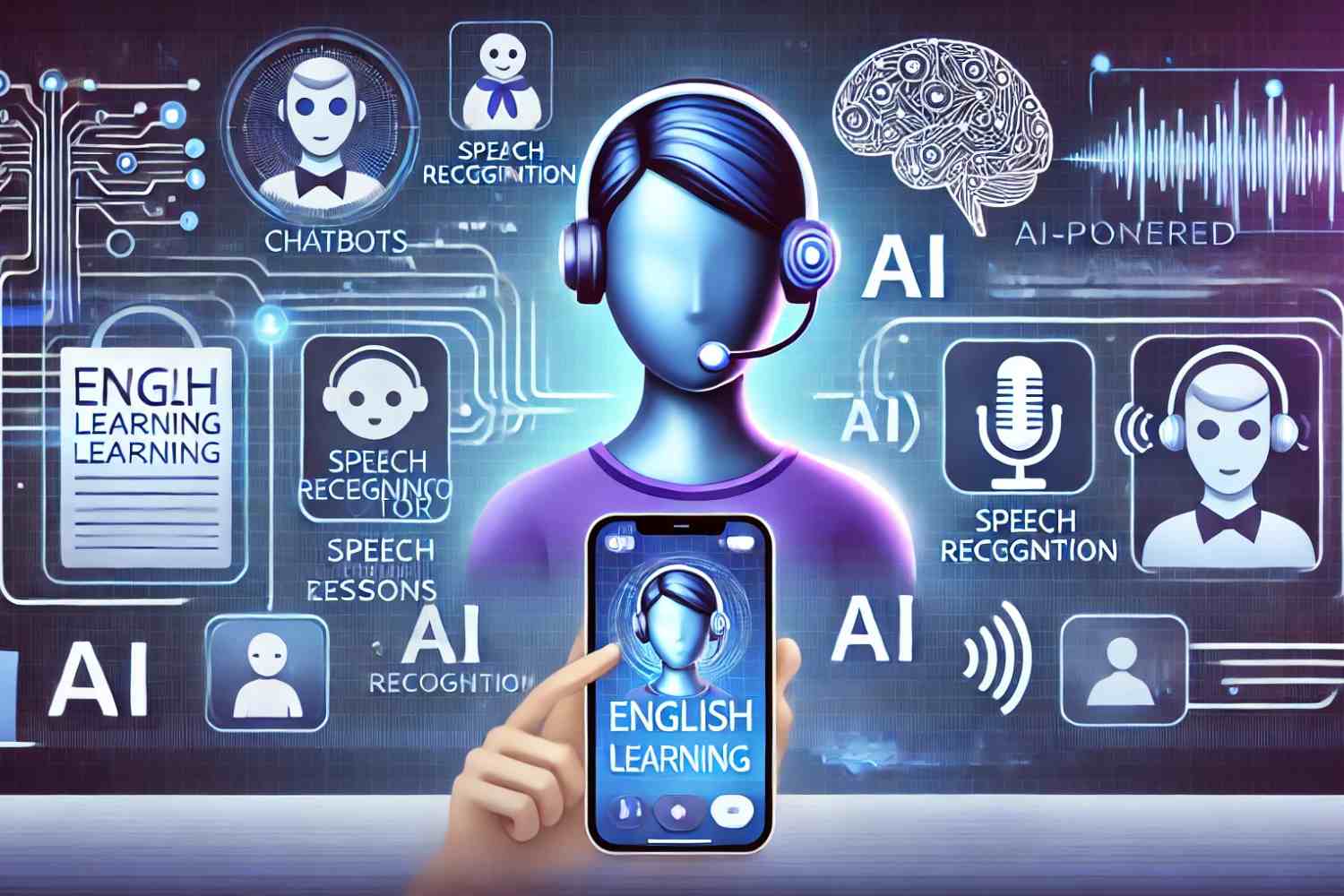
An ai language learning platform is a digital system powered by artificial intelligence that helps learners acquire new languages more efficiently and effectively. Unlike traditional classroom methods or static mobile applications, AI-driven platforms adapt to each learner’s unique pace, strengths, weaknesses, and goals.
By analyzing user behavior, pronunciation patterns, vocabulary retention, and grammar usage, the platform continuously adjusts lessons in real time. This personalized approach creates a more engaging and targeted learning experience. Instead of following a one-size-fits-all curriculum, learners receive customized exercises designed to accelerate fluency.
Artificial intelligence enables interactive conversations, instant feedback, smart review systems, and immersive practice sessions. The result is a smarter pathway toward mastering a new language.
How Does AI Make Language Learning Smarter?
Artificial intelligence enhances learning by using data-driven insights to tailor content. Every interaction—whether answering a question, speaking a sentence, or completing a quiz—provides valuable feedback to the system.
The platform evaluates pronunciation accuracy using speech recognition technology. It identifies grammatical errors, vocabulary gaps, and sentence structure issues. Based on this analysis, it generates corrective suggestions and targeted exercises.
Smart repetition algorithms ensure that learners review words and phrases at optimal intervals. This technique, often called spaced repetition, strengthens long-term memory retention. Instead of overwhelming learners with random repetition, the system focuses on content that requires reinforcement.
By continuously adapting lessons, AI eliminates wasted time and maximizes progress.
Can AI Accelerate Fluency Development?
Yes, AI can significantly accelerate fluency development by creating consistent, structured, and immersive practice opportunities. Traditional methods often lack real-time correction and personalized pacing. AI bridges this gap by offering immediate feedback and adaptive learning paths.
Fluency requires four core skills: reading, writing, listening, and speaking. An AI language learning platform integrates all these components into a unified system. For example, learners may listen to a dialogue, respond verbally, receive pronunciation feedback, and then complete a writing exercise based on the same topic.
This interconnected practice reinforces comprehension and expression simultaneously, leading to faster progress.
How Does Personalization Improve Results?
Personalization is one of the most powerful features of AI-based platforms. Each learner begins with a different background—some may already understand grammar but struggle with speaking, while others may have strong listening skills but limited vocabulary.
AI systems conduct initial assessments to determine proficiency levels. From there, they create tailored lesson plans. If a learner consistently struggles with verb conjugation, the system introduces targeted drills. If pronunciation errors appear frequently, it provides focused speech exercises.
By concentrating on individual weaknesses, learners improve more quickly compared to following a generic curriculum. Personalized learning keeps users motivated because progress becomes visible and measurable.
What Role Does Speech Recognition Play?
Speech recognition technology allows learners to practice speaking without fear of embarrassment. The AI analyzes tone, pronunciation, stress patterns, and clarity. It compares user speech to native benchmarks and highlights specific areas for improvement.
Instant feedback builds confidence and refines speaking skills. Over time, learners notice improved articulation, rhythm, and intonation. This consistent practice helps reduce accents and enhances conversational fluency.
Unlike passive listening exercises, active speaking practice accelerates language acquisition. AI-driven pronunciation correction ensures that learners develop accurate habits from the beginning.
How Does AI Support Vocabulary Expansion?
Building a strong vocabulary is essential for fluency. AI platforms track every word a learner encounters, records which words are mastered, and identifies those that need reinforcement.
Through contextual learning, vocabulary is introduced within real-life scenarios rather than isolated lists. For instance, learners might explore travel dialogues, workplace conversations, or everyday social interactions. Words appear naturally within sentences, making retention easier.
The system then schedules review sessions using intelligent algorithms. Words that are frequently forgotten reappear more often, while mastered vocabulary is reviewed less frequently. This adaptive cycle strengthens long-term memory.
Can AI Simulate Real Conversations?
One of the most transformative aspects of AI language learning is conversation simulation. Learners can engage in interactive dialogues that mimic real-life situations.
The AI responds dynamically based on user input. If a learner answers incorrectly or hesitates, the system adjusts the conversation accordingly. This responsiveness creates a realistic and immersive experience.
Practicing conversations in a safe environment reduces anxiety. Learners gain confidence before speaking with native speakers. Over time, this interactive practice enhances spontaneity and natural language flow.
How Does AI Improve Listening Skills?
Listening comprehension often presents challenges due to different accents, speech speeds, and cultural expressions. AI platforms offer adjustable audio speeds, multiple accent options, and diverse content types.
Learners can slow down difficult sections, replay specific phrases, or review transcripts. The system highlights misunderstood words and provides explanations.
By exposing learners to varied audio inputs, AI strengthens their ability to understand real-world conversations. Gradual difficulty progression ensures continuous improvement without overwhelming the user.
Is AI Effective for Grammar Mastery?
Grammar forms the backbone of language structure. AI simplifies grammar learning by breaking down complex rules into manageable lessons.
When a learner makes a grammatical mistake, the system explains why the error occurred and provides examples of correct usage. Instead of memorizing abstract rules, learners apply grammar within meaningful contexts.
Interactive quizzes, sentence-building exercises, and real-time corrections reinforce understanding. As patterns become familiar, learners naturally internalize grammar rules.
How Does Data Tracking Enhance Motivation?
Progress tracking is a powerful motivational tool. AI language learning platforms provide detailed dashboards showing vocabulary growth, speaking accuracy, grammar mastery, and lesson completion rates.
Seeing measurable improvement encourages consistency. Daily streaks, performance scores, and milestone achievements create a sense of accomplishment.
Data-driven insights also help learners set realistic goals. Whether aiming for conversational fluency or professional proficiency, progress metrics guide the journey.
Can AI Adapt to Different Learning Styles?
People learn languages in different ways. Some prefer visual aids, others respond better to auditory input or interactive exercises. AI platforms analyze engagement patterns to identify preferred learning styles.
Visual learners may receive more image-based vocabulary prompts. Auditory learners might access additional listening tasks. Kinesthetic learners could benefit from interactive simulations and speech exercises.
By adjusting content delivery, AI ensures that lessons align with individual preferences, making learning more efficient and enjoyable.
How Does Consistency Influence Fluency Development?
Consistency is critical in language acquisition. AI platforms encourage daily practice through reminders, structured lesson paths, and manageable learning sessions.
Short, focused lessons reduce cognitive overload and fit easily into busy schedules. Regular exposure reinforces neural connections, improving retention and recall.
By maintaining consistent engagement, learners build momentum and gradually achieve fluency.
Can AI Support Multiple Proficiency Levels?
An effective AI language learning platform supports beginners, intermediate learners, and advanced users. Beginners focus on foundational vocabulary and simple sentence structures. Intermediate learners refine grammar and expand conversational skills. Advanced users engage in complex discussions and nuanced writing exercises.
The AI automatically adjusts difficulty levels based on performance. If a learner progresses quickly, the system increases complexity. If challenges arise, it revisits foundational material. This flexibility ensures continuous growth at every stage.
How Does AI Encourage Cultural Understanding?
Language learning extends beyond grammar and vocabulary. Cultural context shapes communication styles, idioms, and expressions. AI platforms incorporate cultural insights through dialogues, storytelling, and scenario-based exercises.
Learners explore customs, social etiquette, and regional variations. Understanding cultural nuances enhances communication skills and prevents misunderstandings.
By integrating language and culture, AI provides a holistic learning experience.
What Are the Long-Term Benefits of AI-Based Language Learning?
Long-term benefits include improved cognitive flexibility, enhanced memory, and stronger communication skills. Mastering a second language opens professional and personal opportunities.
AI platforms accelerate this process by providing structured, personalized, and interactive learning experiences. Learners develop confidence, adaptability, and practical communication abilities.
Continuous updates and evolving algorithms ensure that the platform remains responsive to user needs. Over time, learners achieve fluency more efficiently compared to traditional methods.
Can AI Replace Traditional Language Teachers?
While AI offers powerful tools, it does not entirely replace human instructors. Instead, it complements traditional teaching methods. AI provides consistent practice, instant feedback, and personalized lessons, while teachers offer emotional support, cultural insight, and complex explanation.
Together, technology and human guidance create a balanced learning environment. For self-directed learners, AI serves as a comprehensive and accessible alternative.
Why Choose an AI Language Learning Platform for Faster Fluency?
An AI language learning platform combines personalization, interactive practice, real-time feedback, and data-driven insights. It adapts to individual needs, accelerates skill development, and maintains engagement through measurable progress.
By integrating advanced speech recognition, adaptive repetition systems, and immersive conversation simulations, AI transforms language learning into a smarter and faster process.
Learners no longer need to rely solely on rigid textbooks or passive study methods. Instead, they benefit from an intelligent system that evolves with their progress.
Conclusion: Is AI the Future of Language Learning?
AI-driven platforms represent a significant advancement in language education. Through personalization, adaptive learning, and interactive engagement, they enable smarter and faster fluency development.
From pronunciation correction to vocabulary reinforcement and conversation simulation, AI provides comprehensive tools that address every aspect of language acquisition.
For learners seeking efficiency, flexibility, and measurable progress, an AI language learning platform offers a modern solution that transforms the journey toward fluency into a structured, engaging, and highly effective experience.